
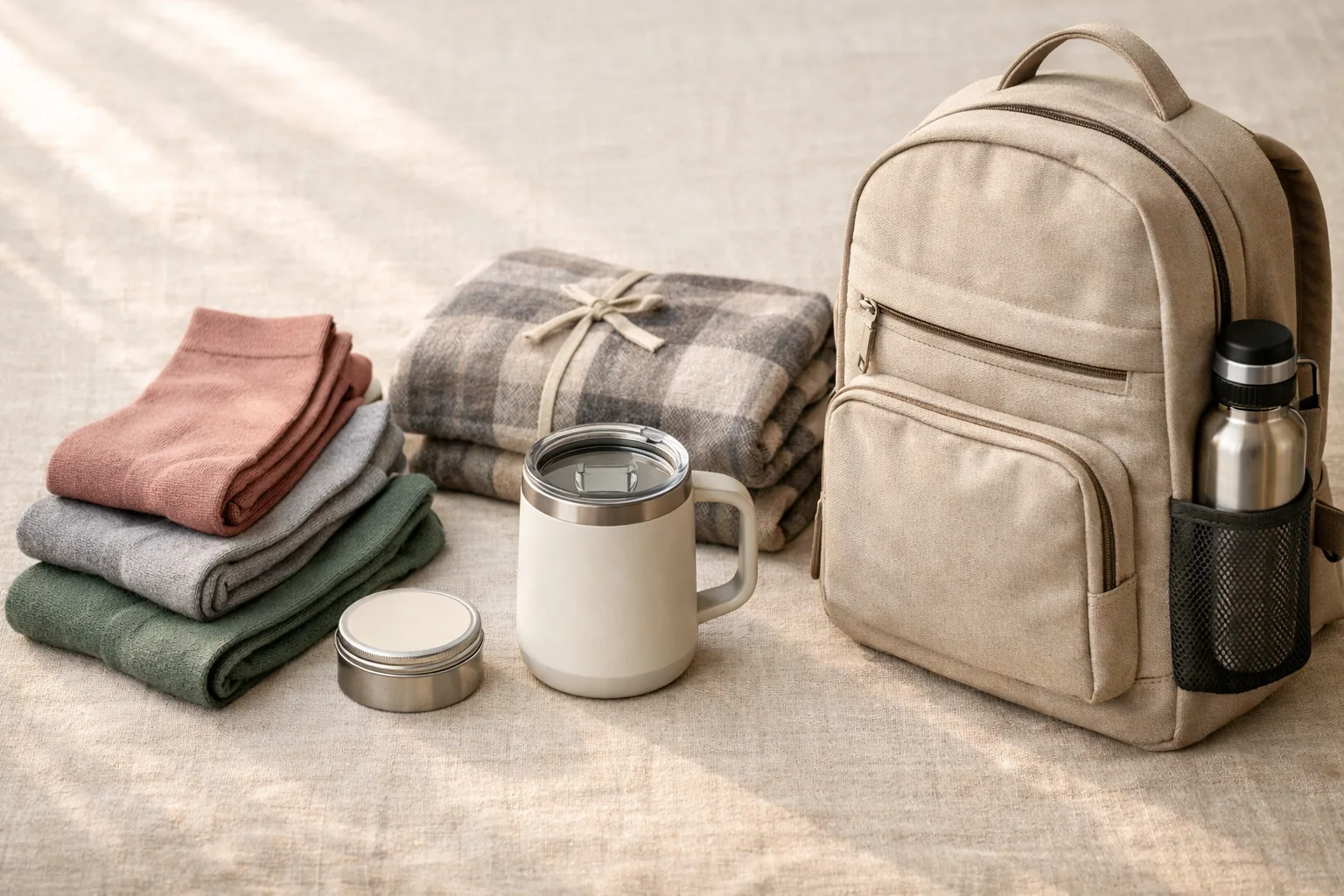
Nurses are one of the harder categories to shop for, because the obvious choices (coffee mugs, candles, inspirational prints) tend to pile up in break room cabinets and never come home. What nurses actually use and talk about buying for themselves is far more specific: things that hold up across a 12-hour shift, recover tired feet and hands at the end of one, and travel reliably between home and the unit every day.
The five picks below cover that gap. Each one addresses a real, recurring need in a nurse’s daily routine, and each is backed by a large, long-running owner base of people who work in clinical settings. Nurses Week runs in May, but these are useful gifts at any point in the year.
Our pick for the most universally useful nurse gift is the Bluemaple 6-Pack Copper Compression Socks: a category nurses consistently say makes a real difference on their longest shifts, backed by tens of thousands of owners, and priced to make a six-pack a practical rather than extravagant gift.
Compression socks are the most consistently requested nurse gift category, and for a straightforward reason: nurses stand and walk on hard floors for most of a 12-hour shift, and lower-leg fatigue and swelling build up predictably without graduated compression. The Bluemaple six-pack is the most-reviewed option in the category and offers graduated compression designed to support circulation through a long shift. Six pairs means roughly enough coverage for a full week before washing becomes urgent, which is how most nurses actually wear them.
The copper-infused fiber blend handles moisture and odor across a full shift, and the socks stop just below the knee bend rather than riding up into the back of the knee where a tighter band can dig in during long standing periods. They come in a range of patterns, which owners appreciate more than plain black when scrubs are the backdrop.
Two things to know before buying: the band on these runs a bit firm, and there are occasional reports of sensitivity near the knee from buyers with latex allergies, so worth checking if the recipient has known latex sensitivity. Sizing runs true on the small-medium end for most women’s shoes; larger feet should size up.
Skip this if the recipient has a specific latex allergy and hasn’t confirmed tolerance, or if they already have a compression sock brand they’re loyal to.
Bluemaple Compression Socks
Hand hygiene requirements in clinical settings mean nurses wash and sanitize far more often than almost anyone else, and by the end of a shift, hands that have been washed dozens of times feel it. The Burt’s Bees Hand Repair Gift Set addresses this directly: a set of three hand and cuticle products that targets the specific dryness pattern that comes from soap-and-sanitizer repetition, in presentation that looks like a considered gift rather than a pharmacy grab.
The set includes a shea butter hand repair cream, an almond milk hand cream, and a lemon butter cuticle cream, along with a pair of cotton gloves for overnight treatment. The packaging is already gift-ready, which matters for anyone buying for a group appreciation or last-minute. Long-term owners consistently describe the moisturizing effect lasting through multiple washes, which is relevant for something used in a clinical environment.
One honest note: the shea butter cream has a distinctive scent that some owners love and others find too strong. The lemon cuticle cream and almond hand cream tend to get more universal praise. For group gifting across a unit, this is the most accessible price-per-gift option on the list.
Skip this if the recipient has a skin condition that limits topical products, or if they strongly prefer fragrance-free formulations.
Burt's Bees Hand Repair Set
Hydration on a busy clinical floor is easy to deprioritize when patient care keeps coming. A water bottle that fits into the physical reality of a nurses’ station, a locker, and a commute bag makes it more likely to stay within reach and actually get used. The HydroJug Traveler 32 oz handles the two practical challenges that eliminate most tumblers from clinical use: it fits standard cup holders rather than requiring a 40 oz tumbler’s wider opening, and its flip-straw lid is genuinely leakproof when properly closed, not just splash-resistant.
Stainless steel triple-wall vacuum insulation keeps drinks cold across a full shift and warm for a morning commute. Owners who compare it to other popular tumblers note the secure handle construction as a standout, since handles that detach or wobble are a common failure point on budget options. Available in a wide range of colors and finishes, which makes it easy to personalize for a specific person.
Skip this if the recipient already has a tumbler they’re happy with, or if they prefer a specific lid style like a straw-free flip lid or a wide-mouth cap.
HydroJug Traveler 32 oz
The time after a 12-hour shift is when the accumulated tension in a nurse’s neck and shoulders actually becomes noticeable. A weighted heating pad that stays put, covers the right area, and doesn’t require positioning is what separates genuinely useful recovery gear from the kind that gets used twice. The Comfytemp Weighted Heating Pad uses micro-glass beads to add draping weight across the neck and shoulders, which keeps it in contact with the muscle groups that carry the most tension from charting posture and patient handling.
Nine heat settings with eleven auto-off timer options give enough range to use it as a brief warm-up before bed or a longer recovery tool on a rest day. The cover is machine washable with the controller removed, which matters for anything that gets regular use over months. Owners who track long-term use note multi-year durability under consistent use, with a wear pattern that matches what you’d expect from a frequently-used home recovery tool.
Skip this if the recipient prefers cold therapy for muscle recovery, or if they already have a heating pad setup they rely on.
Comfytemp Heating Pad
Nurses who commute to the hospital carry more than most office workers: a laptop or tablet for charting, a full scrub change, lunch and snacks, personal care items, and often a large water bottle. A bag built specifically for that load, with a slot for everything and a structure that holds shape, is the kind of thing nurses say they should have bought years earlier but kept putting off.
The LOVEVOOK backpack covers the specific inventory with padded organization: a dedicated 15.6-inch laptop sleeve, elasticized side pockets wide enough for a 40 oz tumbler, a hidden back pocket for phone and wallet, and a pass-through luggage strap for travel days. Nineteen interior pockets is the spec, and owners note it actually fills out without becoming disorganized. Available in over fifty color and size variants, which makes it easy to land on one that fits the recipient’s style.
Skip this if the recipient already has a work bag they’re committed to, or if they prefer a tote or messenger bag style over a backpack.
LOVEVOOK Backpack
How to Match the Gift to the Nurse
The best nurse gifts address a specific part of the shift rather than a general sentiment about nursing. Starting with where in the day the recipient struggles most is the most reliable path to something they’ll actually reach for.
For someone on their feet all day, compression socks are the answer almost regardless of what else you might consider: nurses consistently say they wish someone had introduced them to earlier, and a six-pack is the practical version of the gift rather than a single pair. For someone dealing with hand fatigue from constant washing and sanitizing, the hand care set solves a daily problem directly. For a nurse commuting with a full load, the backpack replaces a gear combination that was never quite working. For someone who mentions sore shoulders at home, the heating pad addresses what most nurses don’t think to treat until it’s chronic.
Combining two smaller picks also works well: the compression socks and hand cream together cover both ends of the shift, and both together come in well under a standard appreciation budget. For a group gift across a unit, either of those items individually scales to a clean per-person contribution.
When is Nurses Week 2026?
Nurses Week runs May 6 through May 12 every year, ending on Florence Nightingale’s birthday. May 6 is National Nurses Day. This is the main window for hospital recognition programs and unit appreciation gifts, though nurses appreciate practical gifts year-round.
What is the most practical nurse gift at a low budget?
The Bluemaple compression sock six-pack. It directly addresses one of the most common physical complaints nurses mention across shift length, it’s consumed and replaced over time rather than sitting on a shelf, and six pairs makes it feel like a real gift rather than a single small item.
Are compression socks a good nurse gift?
Yes, consistently. Compression socks are the single most frequently mentioned item in nurse-gift discussions because nurses go through them regularly, they make a measurable difference on long shifts, and most nurses don’t buy themselves quality pairs as often as they should. A six-pack removes the “I’ll get around to it” hesitation.
What size water bottle works best for a clinical setting?
32 oz tends to work better in clinical settings than 40 oz. The larger 40 oz tumblers don’t fit standard workstation cup holders or most car consoles, so they end up left in a bag or locker rather than staying within reach. A 32 oz bottle covers a shift with one refill and fits where nurses actually need it.
Is the heating pad FSA or HSA eligible?
The Comfytemp weighted heating pad is FSA and HSA eligible as a pain-relief device. Other items on this list, including the backpack, compression socks, and tumbler, are not covered under standard FSA or HSA eligible categories. If the recipient has a flex spending balance to use, the heating pad is the pick.
What is the best nurse gift for a group contribution?
The Burt’s Bees Hand Repair Set scales well for group giving: inexpensive enough that ten people contributing a small amount can put together a meaningful gift basket, giftable packaging that looks deliberate rather than last-minute, and it addresses a clinical-specific problem that most non-nurses wouldn’t think to give.